
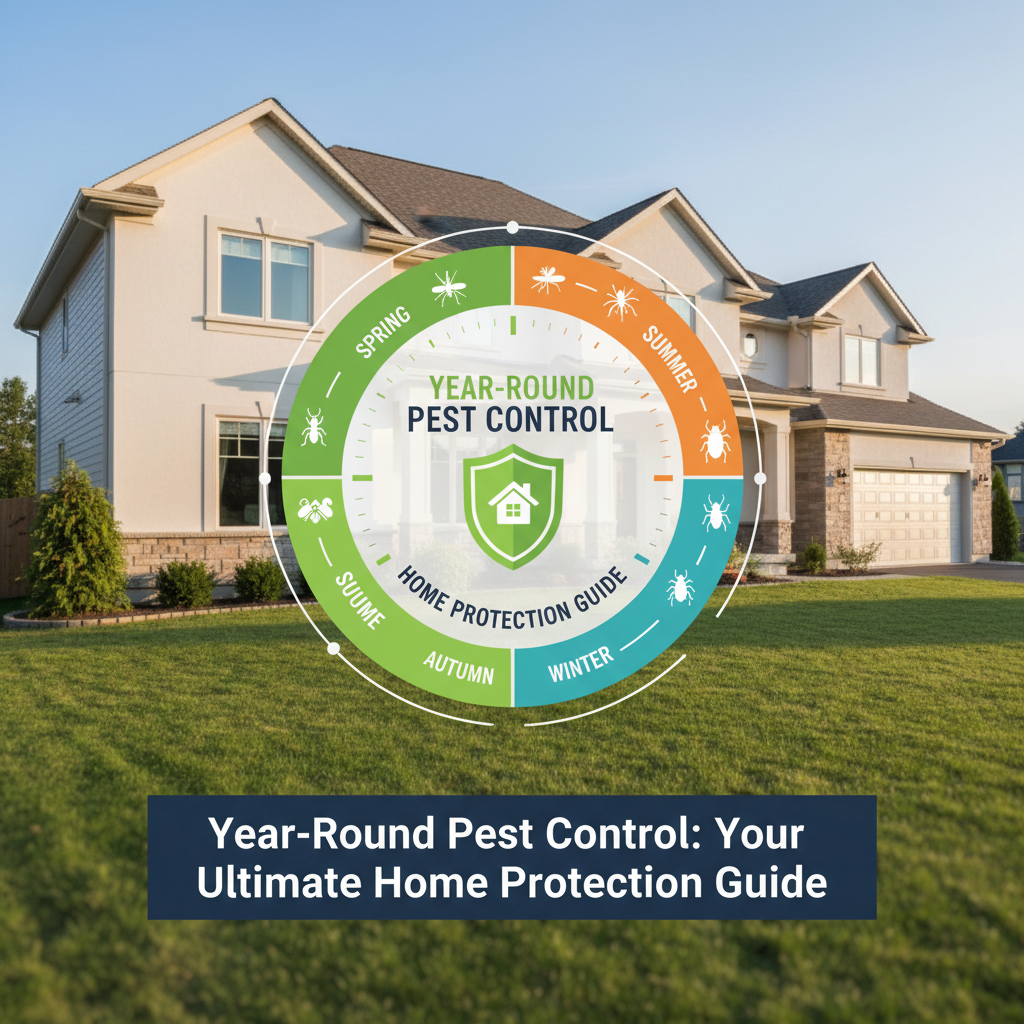
Year-Round Pest Control: Your Ultimate Home Protection Guide
The Ever-Present Threat: Why Year-Round Pest Control Matters
Our homes are meant to be havens, but often, they become attractive targets for a variety of unwanted guests. From the tiniest ants to the most persistent rodents, pests seek food, water, and shelter within our living spaces. The challenge? These invaders don’t take holidays; their activity fluctuates with the seasons, but the threat of infestation is constant. General pest control isn’t just a reactive measure; it’s a proactive, year-round strategy essential for safeguarding your property and the health of your family. Understanding the seasonal patterns of pests and implementing continuous protective measures is key to maintaining a truly pest-free environment.
Ignoring pest problems, even seemingly minor ones, can lead to significant issues. Pests can contaminate food, spread diseases, trigger allergies, and cause extensive structural damage to your home. This article will guide you through effective strategies for general pest control, emphasizing prevention and highlighting when to call in the professionals to ensure your home remains protected all year long.
Understanding Common Household Pests and Their Seasonal Habits
Different pests pose different challenges throughout the year. Knowing what to expect can help you prepare and implement targeted prevention.
Spring: The Awakening
As temperatures rise, many pests emerge from hibernation or begin to increase their activity. Ants, termites, and mosquitoes become more prevalent. Termites, in particular, may swarm in the spring to establish new colonies, posing a significant threat to your home’s structure.
Summer: Peak Activity
Warm weather brings peak pest activity. Mosquitoes, flies, cockroaches, and rodents thrive in the heat and humidity. Mosquitoes breed rapidly in standing water, while cockroaches and rodents actively seek food and moisture indoors.
Autumn: Seeking Shelter
As temperatures drop, pests look for warm, sheltered places to overwinter, often making their way into your home. This is when rodents, spiders, and various insects try to find entry points.
Winter: Indoor Invaders
Even in winter, pests remain a concern. Rodents, cockroaches, and pantry pests seek warmth and food inside, often becoming more noticeable as outdoor conditions worsen.
DIY Strategies for Effective Pest Prevention
A strong defense starts with proactive measures you can take around your home. Many effective DIY pest control tips focus on making your home less attractive and accessible to pests.
Seal Entry Points
Pests can squeeze through incredibly small openings. Regularly inspect your home’s exterior and seal any cracks, gaps, and openings around windows, doors, utility pipes, and the foundation. Use caulk, weather stripping, and door sweeps to create a formidable barrier.
Maintain a Clean Environment
Cleanliness is paramount. Pests are primarily attracted to homes by the promise of food, water, and shelter.
- Food Storage: Store all food, especially pantry items, in airtight containers.
- Kitchen Hygiene: Wipe down counters, clean up spills and crumbs immediately, and wash dishes daily.
- Waste Management: Use garbage cans with tight-fitting lids and empty them regularly.
- Declutter: Reduce clutter, as it provides hiding spots for pests.
Control Moisture
Many pests, including cockroaches and mosquitoes, are drawn to moisture.
- Fix leaky pipes, faucets, and roofs promptly.
- Use dehumidifiers in damp areas like basements and bathrooms.
- Eliminate standing water in your yard, such as in birdbaths or clogged gutters.
Yard Maintenance
Your yard is the first line of defense. Keep grass mowed, trim shrubs and trees away from your house, and remove debris.
The Benefits of Professional General Pest Control
While DIY methods are crucial, professional general pest control offers comprehensive and long-lasting protection.
Expert Identification and Targeted Solutions
Professionals have the expertise to accurately identify pest species and understand their behavior, lifecycle, and habits. This allows them to implement targeted solutions that address the root cause of the infestation, rather than just treating symptoms.
Integrated Pest Management (IPM)
Many reputable pest control services utilize Integrated Pest Management (IPM) strategies. IPM is an environmentally sensitive approach that focuses on prevention, exclusion, and non-chemical methods first, using pesticides only when necessary and with the least possible risk to human health and the environment.
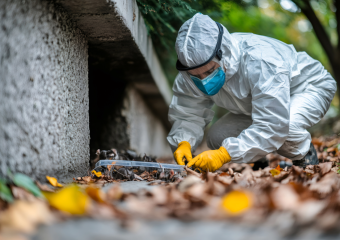
[IMAGE: A pest control technician inspecting a home’s foundation.]
Year-Round Protection Plans
Pest activity fluctuates with the seasons, making year-round protection essential. Professional services often offer seasonal or quarterly maintenance programs that adapt to changing pest behaviors, providing continuous monitoring and treatment. This proactive approach helps prevent infestations before they take hold, saving you stress and potentially costly repairs down the line.
Health and Safety
Many pests carry diseases or trigger allergies. Professional pest control helps create a safer and healthier living environment by reducing the risk of disease transmission and contamination.
Conclusion: A Proactive Approach to a Pest-Free Home
Protecting your home from unwanted invaders is an ongoing commitment. By combining diligent DIY prevention strategies with the expertise of professional general pest control, you can create a robust defense against pests all year long. Remember, a clean home, sealed entry points, and moisture control are your first lines of defense. When pest problems persist or become overwhelming, don’t hesitate to seek professional help. Investing in year-round pest control is an investment in your home’s integrity, your family’s health, and your peace of mind.