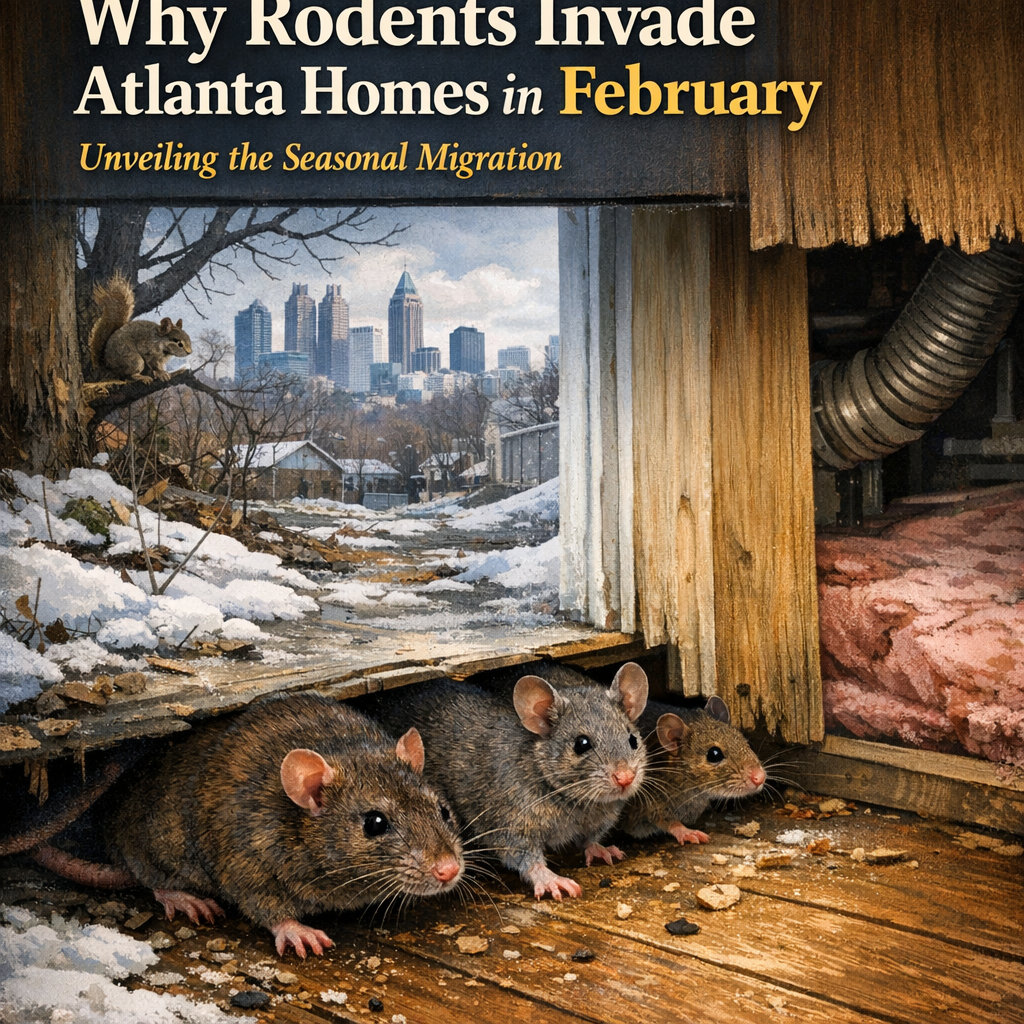
# Why Rodents Invade Atlanta Homes Every February: The Hidden Winter Migration

Every February, residents of Atlanta brace themselves for an unwelcome phenomenon: the invasion of rodents into their homes. This surge in rodent activity during the colder months is not just a random occurrence but part of a hidden winter migration. Understanding why this happens can help homeowners prepare and mitigate the intrusion.

The Biology Behind the Migration


Seeking Shelter and Warmth


Rodents, like many mammals, are motivated by basic survival instincts. As the temperatures drop in Atlanta during winter, these critters seek shelter in warm, cozy places. Homes are particularly attractive because they provide ample warmth and potential nesting sites.

Searching for Food


Winter significantly diminishes the availability of natural food sources for rodents. Your home offers a bounty of food scraps, pet food, and stored pantry items, making it an irresistible target for these hungry pests.

Why February?


Height of the Cold Season


By February, the accumulated effects of the colder months have significantly impacted the natural habitats of rodents. Food scarcity is at its peak, and the outside cold is often unbearable, pushing rodents to find alternative habitats and sources of sustenance.

Breeding Cycle Adjustments


Rodents also tend to adjust their breeding cycles based on the availability of resources. The promise of warm shelter and plentiful food can trigger an increase in breeding activity as rodents aim to sustain their populations during harsh conditions.

Impacts on Atlanta Homes


Structural Damage


Rodents are notorious for their gnawing habits. They can chew through walls, electrical wiring, and almost any part of your home, potentially causing serious damage and increasing the risk of electrical fires.

Health Risks


Rodents are carriers of various pathogens and can spread diseases such as hantavirus and leptospirosis. Their droppings and urine can also contribute to allergic reactions and respiratory problems.

Preventative Measures


To combat the winter invasion of rodents, Atlanta residents can take several preemptive steps:

Seal Entry Points


- Inspections: Regularly inspect your home for cracks, holes, and gaps around doors, windows, and foundations.
- Repairs: Seal any openings with steel wool, caulking, or appropriate materials that rodents cannot easily gnaw through.

Maintain Cleanliness


- Food Storage: Store food in airtight containers and dispose of garbage regularly.
- Clutter Reduction: Minimize clutter in attics, basements, and garages to reduce potential nesting sites.

Use Rodent Deterrents


- Natural Deterrents: Consider using peppermint oil or mothballs as natural deterrents.
- Professional Help: If the problem persists, hiring a professional pest control service can be a wise investment.

When to Call a Professional


If preventative measures fail and you notice signs of rodents such as droppings, nesting materials, or unexplained noises in the walls, it may be time to call in the experts. Professional pest controllers can offer more comprehensive solutions and help prevent future invasions.

Conclusion


The annual winter migration of rodents into Atlanta homes is driven by their quest for warmth and food. By understanding the reasons behind this phenomenon, homeowners can better prepare and protect their homes from these unwelcome winter guests. Remember, prevention is always better than cure when it comes to pest control. Be proactive in taking steps to secure your home and consider professional services if the situation escalates.