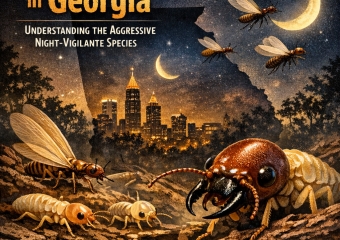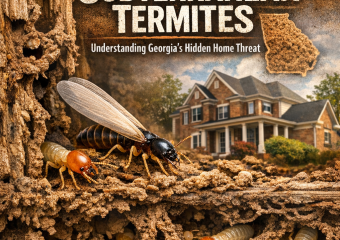

Understanding Formosan Termites in Georgia: The Night-Vigilante Species
Formosan Termites in Georgia: Why ‘The Night‑Vigilante’ Is the Most Aggressive Species
Formosan termites, often referred to as ‘The Night-Vigilante,’ have earned a notorious reputation in Georgia. These invasive pests are recognized not only for their secretive lifestyle but also for their aggressive nature. Understanding the behavior and impact of Formosan termites is crucial for homeowners in Georgia as these termites pose a significant threat to wooden structures.
The Origin and Spread
Formosan termites originated from East Asia and were introduced to the United States in the 20th century. These termites are now well-established in the southern states, including Georgia, thanks to the warm and humid climate that mirrors their native habitat.
How They Spread
- Transportation of infested wood: Movement of wooden materials can introduce termites to new areas.
- Natural expansion: These termites can spread locally by swarming – a process where winged termites fly to start new colonies.
Characteristics of Formosan Termites
Formosan termites are a subset of subterranean termites, living underground and creating intricate tunnel systems. What sets them apart, however, are several aggressive traits:
Fast Growth and Large Colonies
- Rapid reproduction: Formosan termites reproduce quickly, which allows them to establish large colonies within a few years.
- Huge colonies: A single colony can house millions of termites, significantly more than native species.
Aggressive Wood Consumption
- Voracious eaters: They consume wood at a faster rate than most other termite species.
- Diverse diet: While primarily wood-eaters, they can also digest other cellulose materials.
Why ‘The Night-Vigilante’ Is Particularly Aggressive
The nickname ‘The Night-Vigilante’ highlights the stealthy yet destructive nature of these termites. They often work undetected until significant damage has occurred. This name also reflects their aggressive defense tactics when disturbed.
Unique Behaviors of Formosan Termites
- Building secondary nests: Unlike other termites, Formosan can create aerial nests if moisture conditions are adequate, not limiting themselves to ground-based colonies.
- Effective use of resources: They efficiently use available resources around them, whether it’s soil moisture for their nests or wooden structures for feeding.
Impact on Georgian Homes
Georgia’s climate makes it a favorable environment for Formosan termites. Unfortunately, this means significant risks for wooden structures, including residential homes.
Damage and Financial Cost
- Extensive structural damage: The sheer size of their colonies allows them to cause more severe damage at a faster rate.
- High repair costs: Damage from Formosan termites can be extensive, leading to higher repair costs compared to damage from other termite species.
Prevention Tips
- Regular inspections: Have a professional pest control expert inspect your home regularly.
- Moisture control: Reduce moisture in and around your home, as it attracts termites.
- Barriers and treatments: Use chemical barriers or termite baits to protect your home.
Conclusion
Formosan termites, or ‘The Night-Vigilante,’ are a formidable pest in Georgia. Their aggressive nature and rapid breeding can lead to extensive damage if not properly managed. Homeowners should stay vigilant, employing regular inspections and effective prevention strategies to protect their properties. Understanding and addressing the risks posed by Formosan termites is key to maintaining the integrity and safety of your home in Georgia.