
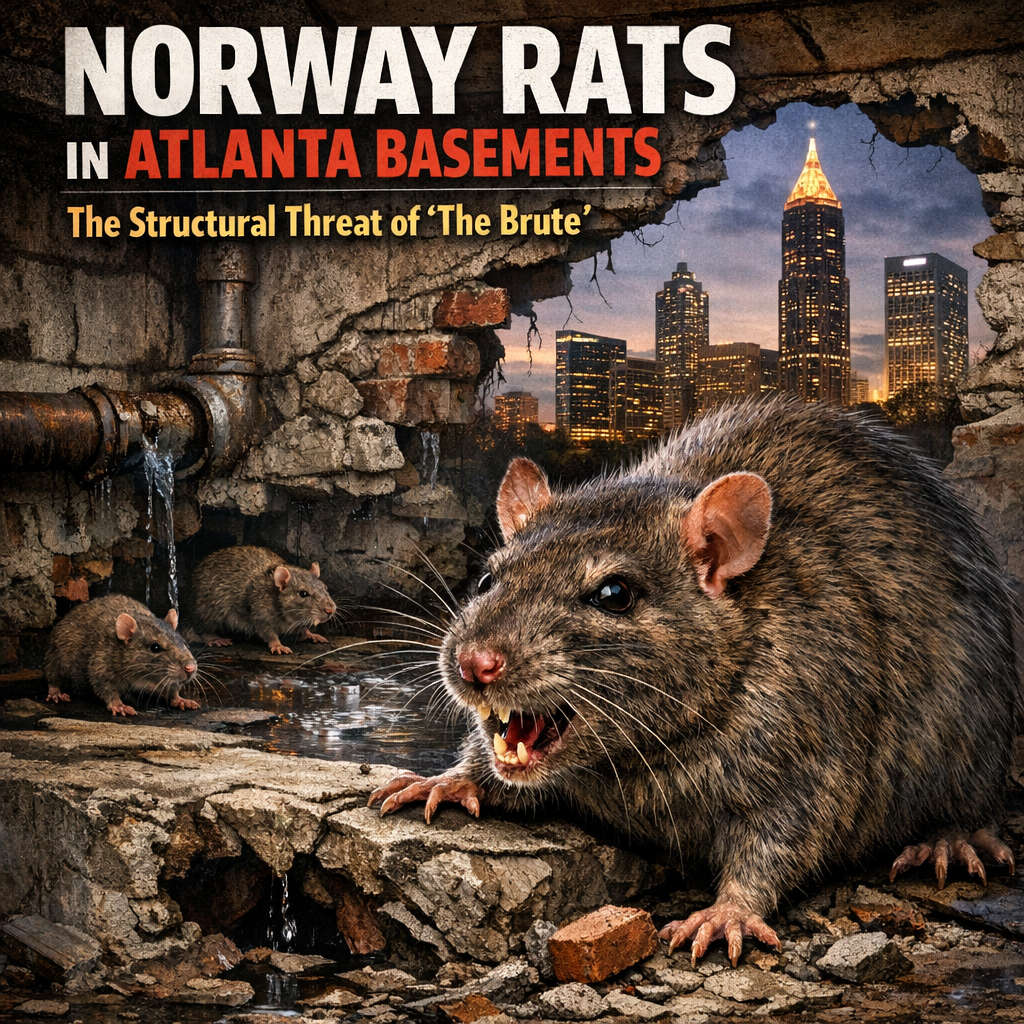
Norway Rats in Atlanta Basements: The Structural Threat of ‘The Brute’
Norway Rats in Atlanta Basements: Why ‘The Brute’ Is a Structural Threat
Among the various urban pests, Norway rats are infamous for their resilience and adaptability. In Atlanta, these rodents, often referred to as ‘The Brute,’ pose a significant threat to residential and commercial structures, particularly basements. Understanding their behavior, the risks they pose, and the strategies for managing them is crucial for maintaining the structural integrity and health standards of properties in the area.
Understanding Norway Rats
Physical Characteristics
Norway rats (Rattus norvegicus) are large, robust rodents known for their brownish fur and heavy-set bodies. They can weigh over 500 grams and typically measure around 16 inches from nose to tail. Their size and physical strength earn them the nickname ‘The Brute’ among pest control professionals.
Behavior and Habitat
These rats are primarily nocturnal and excel in climbing and swimming, which allows them to inhabit diverse environments. In urban areas like Atlanta, Norway rats prefer low-lying areas such as basements and sewers where they can remain concealed during daylight hours. They are also attracted to places with readily available food sources and moisture, conditions commonly found in unkempt or poorly maintained basements.
The Structural Threat They Pose
Damage to Foundations and Frameworks
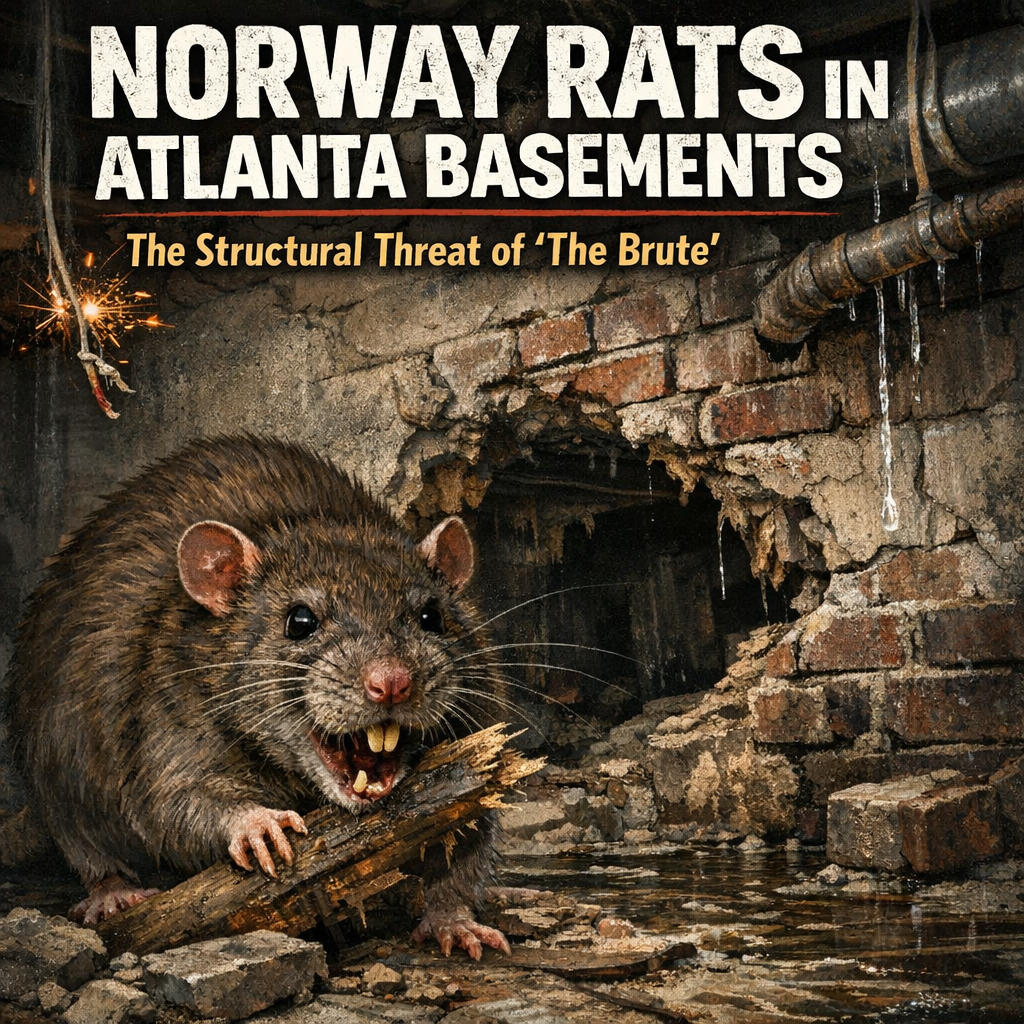
Norway rats are proficient burrowers. This behavior can lead to significant damage in basements. Their burrowing habits can weaken the foundations of buildings, causing cracks and potentially catastrophic structural failures. Moreover, their gnawing can damage wooden beams and other important structural components, leading to costly repairs.
Risks to Electrical Systems
A lesser-known yet critical risk of having Norway rats in your basement is the threat to electrical systems. These rodents are known to gnaw on electrical wires, which can strip away the protective insulation, leading to short circuits and increasing the risk of electrical fires.
Health Hazards Linked to Norway Rats
Disease Transmission
Norway rats are carriers of various pathogens that can cause serious diseases in humans and pets. Diseases like leptospirosis, hantavirus, and salmonellosis are commonly associated with rat infestations. The presence of rats in basements can facilitate the spread of these diseases through their urine, feces, and saliva.
Allergens and Air Quality
Rat droppings and nesting materials contribute to poor indoor air quality, which can exacerbate allergies and respiratory conditions like asthma. This is of particular concern in basements where ventilation may already be compromised.
Managing Norway Rat Infestations
Proactive Prevention
Preventing Norway rat infestations is the most effective management strategy. This involves:
- Sealing Entry Points: Close gaps and cracks in the basement walls, floors, and around utility pipes.
- Proper Waste Management: Secure garbage in rat-resistant containers and avoid accumulating clutter or debris.
- Regular Inspection: Periodically check the basement and surrounding areas for signs of rats such as droppings, gnaw marks, or unusual smells.
Professional Pest Control
In the event that Norway rats establish a presence in your basement, professional pest control is recommended. Licensed exterminators can offer more comprehensive solutions including:
- Traps and Bait Stations: These are carefully placed to efficiently capture and eliminate rats.
- Exclusion Techniques: Professionals can install barriers that prevent rats from re-entering the premises.
- Regular Monitoring: Follow-up visits ensure that the infestation is completely eradicated and help prevent new ones from occurring.
Conclusion
The threat of Norway rats in Atlanta basements cannot be underestimated. Known as ‘The Brute’ for both their physical robustness and the hefty damage they cause, these pests are more than just a nuisance. They pose real threats to the structural integrity of properties and can significantly impact health and safety. Effective management through prevention and professional assistance is essential to protect your home or business from these destructive rodents.