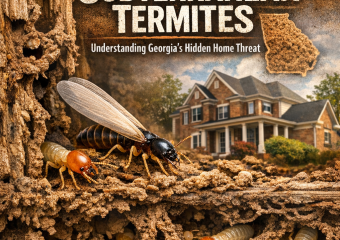

Drywood Termites: How ‘The Paratrooper’ Invades Attics Soil-Free
Drywood Termites in Attics: How ‘The Paratrooper’ Infests Without Touching Soil
Drywood termites, often referred to as ‘The Paratroopers,’ have a notorious reputation for their unique ability to infest homes by air, bypassing the typical soil-to-wood contact that other termite species rely on. Understanding their behavior, signs of infestation, and effective control measures are crucial for homeowners, especially those in prone areas.
Understanding Drywood Termites
Drywood termites differ significantly from their subterranean counterparts. Unlike the latter, which require moist environments and constant contact with soil, drywood termites need no such connection. Moisture from the wood they consume is sufficient for their survival, which enables them to establish colonies exclusively in dry wood.
Key Characteristics
- Habitat: They thrive in dry conditions and are commonly found in attic wood, framings, and furniture.
- Colony Size: Typically smaller than subterranean termite colonies, they can nonetheless consist of several thousand members.
- Feeding: They consume wood, extracting both the nutrients and moisture they need to survive.
How They Infest Homes
The ability of drywood termites to infest homes without soil contact makes them particularly stealthy invaders. Here’s how they do it:
- Flying Swarmers: The primary mode of spreading. These winged termites (also called alates) emerge from mature colonies and fly to new locations.
- Finding Cracks: After landing, they look for cracks in wood surfaces to enter and start new colonies.
- Shedding Wings: Once a suitable site is found, they shed their wings and begin to reproduce, creating a new colony.
Exploiting Weaknesses
Any small opening or untreated wood on your house’s structure can become a potential entry point for these termites. Common areas of entry include window frames, eaves, and, most notoriously, attics.
Signs of Drywood Termite Infestation
Early detection is key to preventing significant damage. Here are signs that might indicate a drywood termite infestation in your home:
- Discarded Wings: Found near windowsills or caught in cobwebs.
- Frass: This termite droppings resembles sawdust or coffee grounds and can often be found beneath infested wood.
- Hollow Sounds: Tapping on wood that sounds hollow can indicate that termites have eaten away the wood from inside.
- Visible Tunnels: In severe cases, you might see their feeding galleries within exposed wood.
Control and Prevention
Managing and preventing drywood termite infestations requires a combination of vigilance, professional assessment, and strategic treatments.
Professional Inspection
Having a professional pest control expert inspect your home annually is advisable, especially if you live in areas prone to drywood termite activity. They can provide an accurate diagnosis and recommendations for treatment.
Treatment Options
- Fumigation: This involves enveloping the house in a tent and introducing a gas that penetrates all cracks and crevices to kill off the termites.
- Spot Treatment: Localized treatments using chemicals, heat, or freezing methods, suitable for smaller infestations.
- Wood Treatments: Applying chemicals directly onto the wood or incorporating substances that repel or kill termites into the wood used in house construction.
Preventative Measures
- Seal Cracks and Crevices: Regular maintenance to seal up potential entry points can significantly reduce the likelihood of infestation.
- Use Treated Wood: For new constructions or repairs, using termite-resistant wood can help deter infestation.
- Reduce Humidity: Although drywood termites prefer dry wood, reducing humidity in your house can help other preventative measures be more effective.
Conclusion
The unique behavior of drywood termites allows them to infest homes from the air, bypassing soil contact entirely — earning them the ominous nickname of ‘The Paratrooper.’ Homeowners should stay proactive about termite prevention and seek timely professional help at signs of infestation to protect their homes from significant damage. Remember, early detection and response can save not only your home’s structural integrity but potentially a significant amount of money in repairs.