
House Flies in Georgia: Prevention and Control Tips
Understanding House Flies in Georgia
If you live in the Peach State, you already know that dealing with pests is just a part of everyday life. Among the most annoying uninvited guests is the common house fly. These buzzing pests seem to appear out of nowhere, multiplying rapidly and turning a peaceful afternoon on the porch into a frustrating battle. But have you ever wondered where they all come from and why they seem so impossible to get rid of once they move in? Understanding their lifecycle and habits is the first step toward reclaiming your home.
Georgia’s unique climate plays a massive role in fly populations. The combination of high humidity and long, warm summers creates a literal breeding paradise for these insects. They thrive in heat, meaning that as soon as the spring temperatures rise, their numbers skyrocket across both rural farmsteads and suburban neighborhoods alike.
Where Do All These Flies Come From?
House flies do not just materialize out of thin air; they are drawn to specific environments that provide food, warmth, and a place to lay eggs. Female house flies can deposit hundreds of eggs in their short lifetimes, typically choosing decaying organic matter as a nursery. This includes garbage cans, compost heaps, pet waste, and rotting vegetation.
Common Breeding Grounds Around the Property
To effectively manage house flies, you need to inspect your property for potential hotspots. Common culprits include:
- Unsecured outdoor trash bins with loose lids
- Pet waste left unattended in the yard
- Overfilled or uncovered compost bins
- Standing water and damp soil near the foundation
- Spilled animal feed or livestock manure on rural properties
Once a fly emerges from its pupa stage, it immediately begins searching for sustenance. Because house flies feed on liquid or semi-liquid matter—using their spongy mouthparts to dissolve food—they are naturally attracted to everything from your kitchen garbage to sticky spills on outdoor tables.
How to Keep House Flies Away
Keeping your home free of these pesky insects requires a multi-layered approach that combines sanitation, exclusion, and natural deterrents. Prevention is always much easier than dealing with a full-blown infestation.
1. Master Your Sanitation Routine
The single most effective way to deter house flies is to eliminate their food sources. Keep your kitchen spotless by wiping down counters immediately after meals, washing dishes promptly, and sweeping up crumbs. Ensure all indoor and outdoor trash cans feature tight-fitting lids and are cleaned out regularly with bleach or disinfectant soap.
2. Seal Up Entry Points
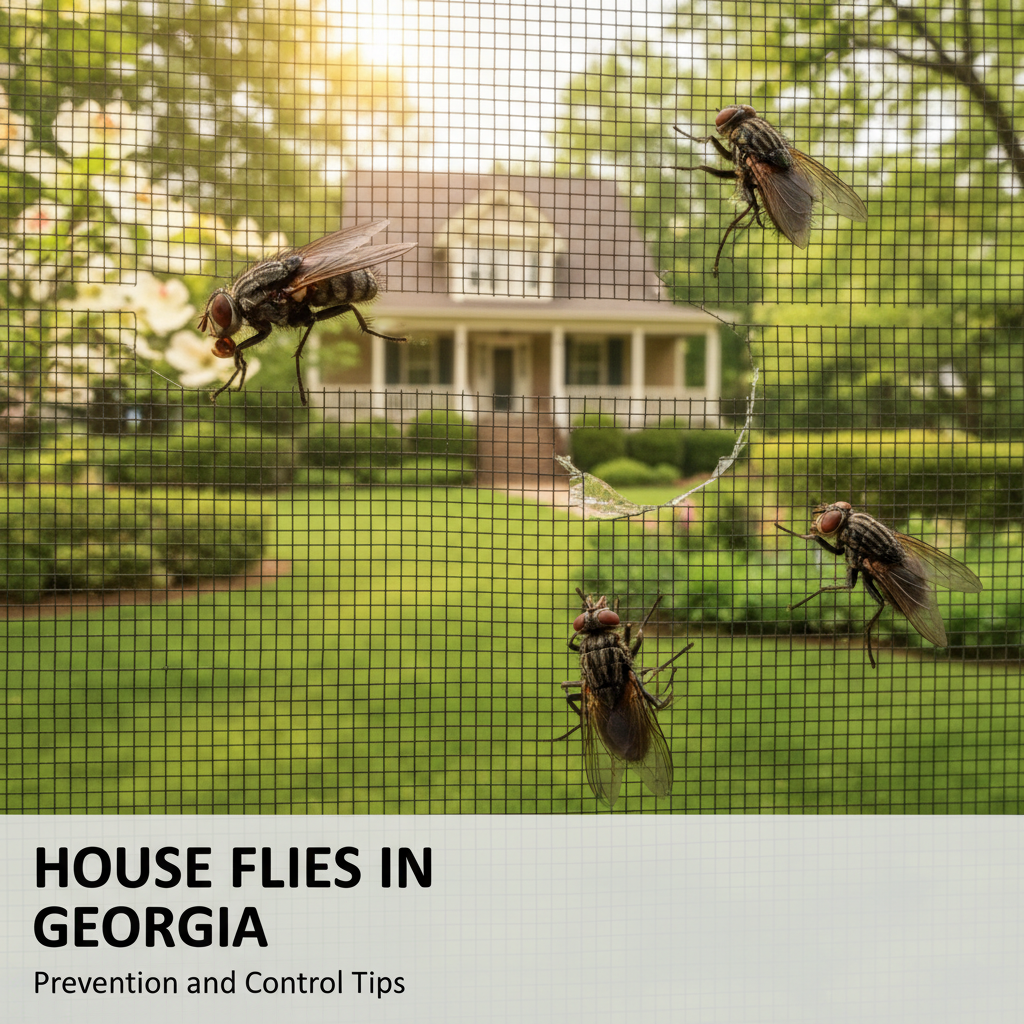
House flies are notorious opportunists, sneaking through any gap they can find. Check all window and door screens for tears, holes, or loose fits. Keep exterior doors closed whenever possible, and consider installing heavy-duty screen doors or air curtains on high-traffic entryways.
3. Leverage Natural Repellents
You do not always have to rely on harsh chemical sprays to keep flies at bay. Several natural options work wonderfully. Certain plants, such as basil, mint, lavender, and marigolds, release scents that flies despise. Placing these potted plants near sunny windows or doorways can act as a wonderful living deterrent.
Long-Term Fly Management
If you have addressed the sanitation issues and sealed your home, but still find yourself swatting away persistent invaders, it might be time to look into traps or professional pest control options. Ultraviolet light traps placed in garages or utility rooms can capture strays before they make their way into living spaces. By staying proactive and maintaining a clean environment, you can enjoy your Georgia home in peace without constantly battling unwanted winged visitors.