
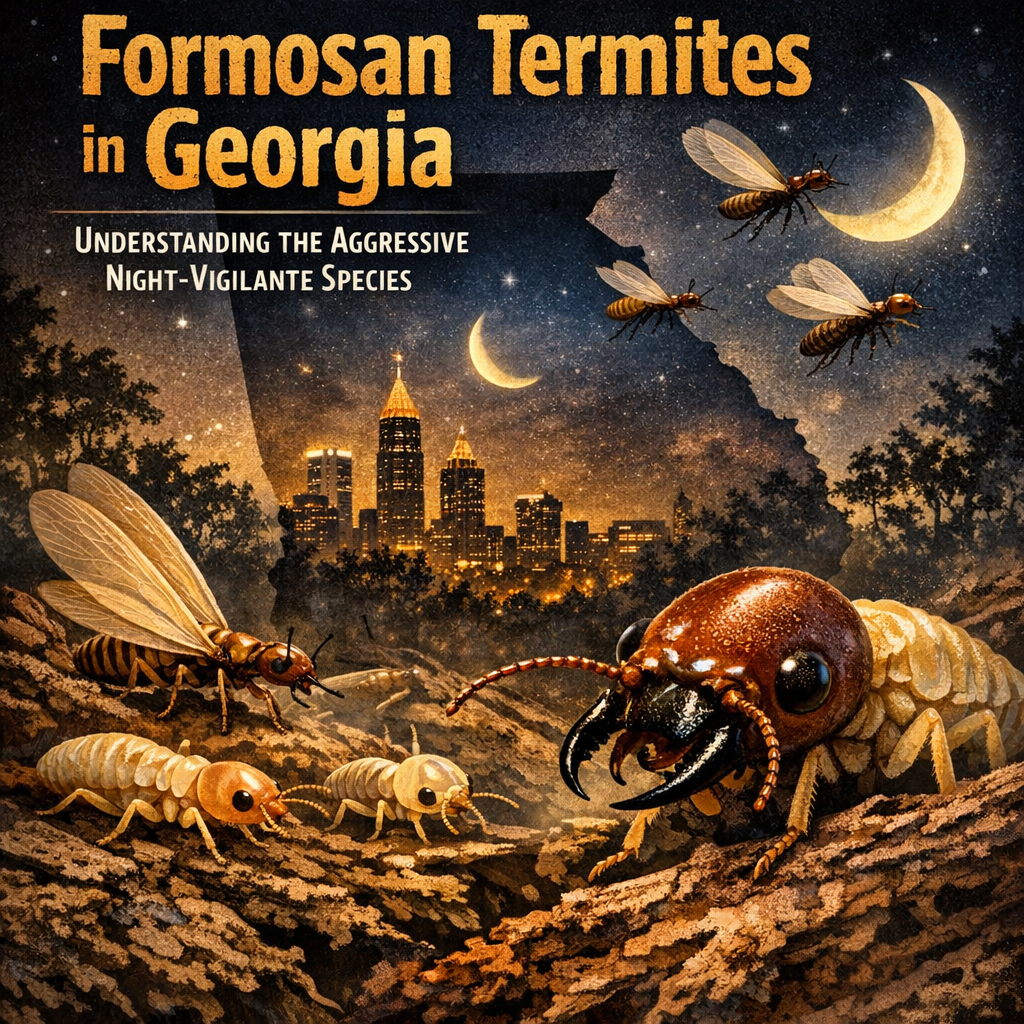
Formosan Termites in Georgia: Understanding the Aggressive Night-Vigilante Species
Formosan Termites in Georgia: Why ‘The Night‑Vigilante’ Is the Most Aggressive Species
Formosan termites, often referred to as ‘The Night-Vigilante,’ are a formidable and aggressive species of termite. In Georgia, their presence is increasingly causing concern for homeowners and property managers alike. Understanding the nature of these pests can help in implementing effective control measures.
What Are Formosan Termites?
Formosan termites are a species of subterranean termites that originate from East Asia. They were first identified in the United States in the 1960s and have since become one of the most destructive termite species in the country. These termites are particularly known for their ability to form large colonies and their voracious appetite for wood.
Characteristics of Formosan Termites
- Large Colonies: A single colony can house several million termites, much larger than native species.
- Aggressive Wood Consumption: They eat wood at a faster rate, causing more damage in a shorter period.
- Ability to Build Mud Nests: Unlike other termites, Formosans can build nests not only underground but also in walls and other moisture-rich areas.
Why Are They Called ‘The Night-Vigilante’?
Formosan termites have earned the nickname ‘The Night-Vigilante’ due to their secretive and relentless behavior. These termites are particularly active during the night, stealthily causing destruction without being noticed. Their ability to hide and build nests in secluded areas makes them difficult to detect early on.
The Implications of Their Vigilant Behavior
Formosan termites’ ability to remain unnoticed until significant damage has occurred is one of the reasons they are considered highly aggressive and dangerous. This behavior necessitates more strategic and consistent termite management approaches in infested areas.
The Spread in Georgia
In recent years, Georgia has seen a notable increase in Formosan termite activity. The state’s warm and humid climate provides an ideal environment for these termites to thrive. Areas around Savannah and along the coast are particularly vulnerable, but no part of Georgia is entirely safe from the potential threat.
Factors Contributing to Their Spread
- Climate: The warm, humid weather in Georgia accelerates their lifecycle and colony growth.
- Transportation of Infested Materials: Movement of wooden materials from infested areas to non-infested zones.
- Increased Construction: Urban sprawl and construction disturb native lands, pushing these termites into new territories.
Impact on Homes and Properties in Georgia
The aggressive nature of Formosan termites means that they can quickly cause extensive damage to structures. This not only results in costly repairs but can also significantly decrease the value of infested properties.
Areas Most Affected
- Structural Beams: Essential for the stability of a building, yet often targeted because they provide large amounts of wood.
- Wall Cavities: Moist and undisturbed, perfect for establishing secondary colonies.
- Attics and Basements: High moisture areas that are ideal for termite nesting.
Dealing with Formosan Termites
Prevention and Control
- Regular Inspections: Engage professionals for annual or bi-annual inspections.
- Reduce Moisture: Fix leaks and ensure proper drainage around your home to make it less inviting.
- Barriers and Treatments: Use physical and chemical barriers under and around your home. Soil treatments and wood treatments are effective in keeping termites at bay.
- Immediate Treatment: If termites are detected, immediate intervention is crucial. Delaying treatment only allows more time for the colony to grow.
Choosing a Professional
Ensure that the pest control service has experience dealing with Formosan termites. Their aggressive nature requires specific knowledge and tools for effective management.
Conclusion
Formosan termites, or ‘The Night-Vigilante,’ are a significant threat to Georgian homes and properties. Their secretive lifestyle and massive colony size make them formidable pests. Recognizing the signs of their presence and taking prompt action is key to protecting your property. Early intervention and regular maintenance are your best defense against these aggressive termites.