
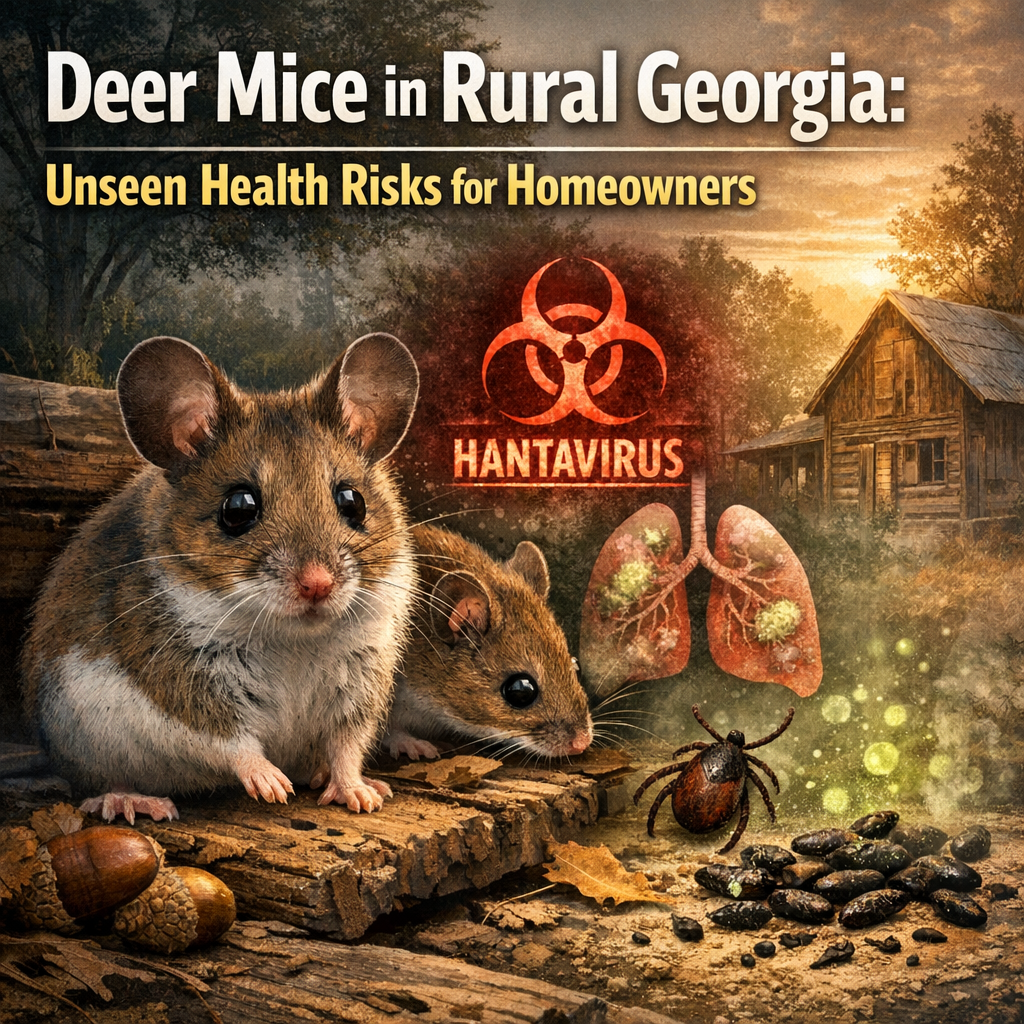
Deer Mice in Rural Georgia: Unseen Health Risks for Homeowners
title: “Deer Mice in Rural Georgia: The Silent Health Risk Homeowners Overlook”
date: 2023-12-01
author: Health and Home Safety Expert
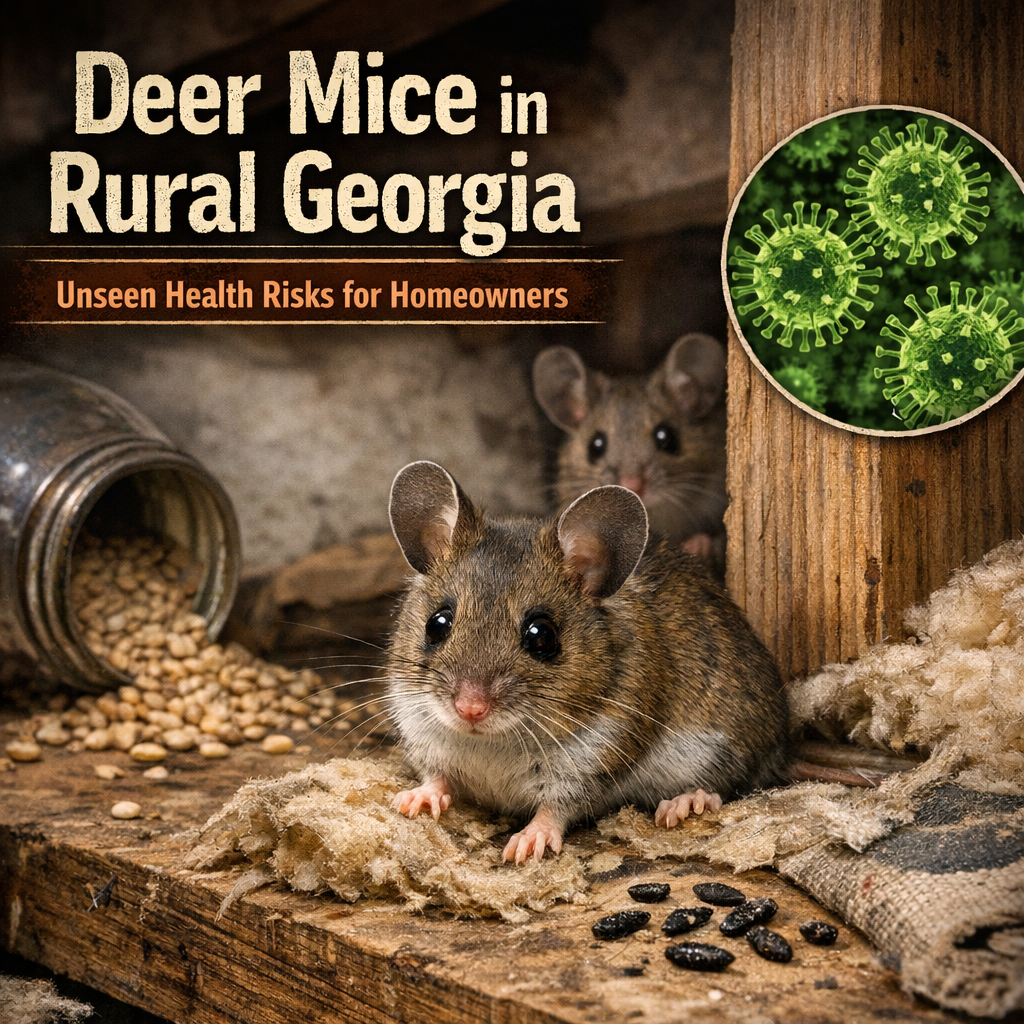
Deer mice, often dismissed as just another harmless rodent, pose significant health risks to homeowners in rural Georgia. These small creatures, while native and seemingly innocuous, carry diseases that can affect humans, with the most concerning being Hantavirus. Understanding the risks associated with deer mice and how to manage their presence is crucial for maintaining a safe and healthy home environment.
Understanding Deer Mice
Deer mice are small, typically brown or grey in color, with white underbellies and feet. They are distinguished from other mice by their large ears and eyes. Found predominantly in rural and semi-rural areas, these rodents prefer wooded areas, bushlands, and agricultural environments. However, they are also known to enter homes, garages, and other outbuildings in search of food and shelter.
Key Characteristics:
- Size: Ranges from 5 to 8 inches, including the tail.
- Color: Brown or grey with white underbellies and feet.
- Habitat: Prefers wooded areas and can inhabit outbuildings and homes.
Health Risks Associated with Deer Mice
The primary concern with deer mice is their ability to transmit Hantavirus to humans. This virus can lead to Hantavirus Pulmonary Syndrome (HPS), a severe respiratory disease that can be fatal. The virus is spread through contact with mouse droppings, urine, or saliva, and when these substances are stirred into the air, they can be inhaled by humans.
Symptoms of Hantavirus Pulmonary Syndrome:
- Early stage symptoms: Fatigue, fever, and muscle aches, particularly in large muscle groups.
- Late stage symptoms: Severe respiratory distress including coughing and shortness of breath.
Because symptoms can develop up to five weeks after exposure, many individuals may not immediately associate them with contact with deer mice.
Preventing Deer Mouse Infestations
Maintaining a home free from deer mice involves several proactive steps:
Exterior Home Care:
- Seal Entry Points: Close gaps and holes in home exteriors where mice can enter, usually places where utility pipes and cables enter the house.
- Remove Debris: Keep yards free of debris like piled wood or leaf piles, as these can provide nesting areas for mice.
Interior Vigilance:
- Store Food Securely: Keep food items in sealed containers to not attract rodents.
- Regular Cleaning: Ensure areas like attics and basements are free of clutter and regularly cleaned to deter nesting.
Natural Deterrents:
- Peppermint Oil: Mice dislike the scent of peppermint oil; consider soaking cotton balls in the oil and placing them in areas prone to mice activity.
- Predator Urine: Products that mimic the scent of predator urine can be effective in keeping mice away.
Professional Pest Control
In cases where deer mouse populations are persistent or a threat to your health, professional pest control may be necessary. These experts can offer more comprehensive solutions such as trapping, systematic removal, and ongoing monitoring of rodent populations.
Conclusion
While deer mice may appear cute and harmless, they are a significant health hazard in rural Georgia homes. Through understanding and proactive management, homeowners can significantly reduce the risk of Hantavirus and other associated health risks. Remember, effective pest management is key to maintaining a safe and healthy home environment.